The Belize Barrier Reef stretches along almost the entire coast of Belize, and Hopkins sits opposite one of its quieter, wilder sections. If you've never snorkeled before, or you're an old hand, this guide covers what to expect and how to make the most of your day on the reef.
Why snorkel from Hopkins?
The reef is part of the Belize Barrier Reef Reserve System, a UNESCO World Heritage Site, and the waters off this part of the coast include protected areas such as South Water Caye Marine Reserve. Because Hopkins is far from the busy northern cayes, you'll often have a snorkel site almost to yourself.
What you might see
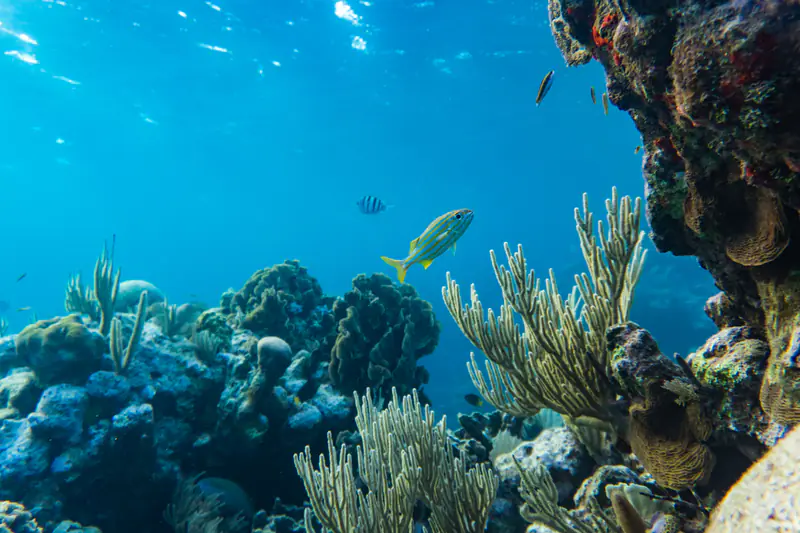
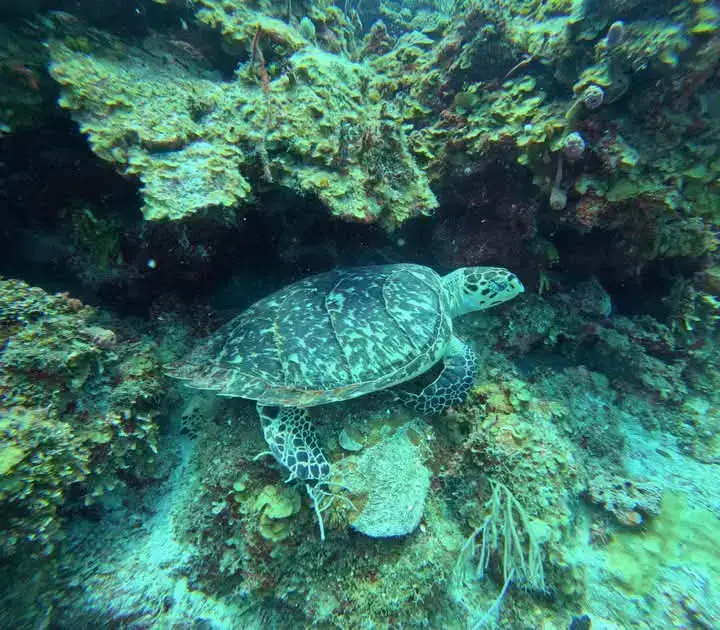
Coral gardens of brain, elkhorn and sea-fan corals; parrotfish, angelfish, blue tangs and sergeant majors; sea turtles, spotted eagle rays and southern stingrays; and, if you're lucky, nurse sharks resting on the sand. Every day on the reef is different, and that's part of the magic.
Half day or full day?
A half-day trip (about 4 hours) is perfect for first-timers, families with young children or anyone short on time. A full day (about 6.5 hours) reaches further out, includes more snorkel stops and lets you relax on a caye between swims.
First time snorkeling? You'll be fine
You don't need to be a strong swimmer. Your guide fits your mask and fins, gives you a life vest, shows you how to breathe through the snorkel and stays close in the water. Many guests who start nervous don't want to get out.
- Practise breathing through the snorkel in shallow water first.
- Keep your face relaxed so the mask seals well; a little baby shampoo stops fogging.
- Float and let the vest do the work; kicking slowly from the hips saves energy.
What to bring
- Reef-safe (mineral) sunscreen, and a rash guard or T-shirt to cover your back
- Swimwear, a towel and a dry change of clothes
- A hat and sunglasses for the boat ride
- A waterproof camera or phone pouch
- Any medication you need, including for seasickness if you're prone to it
Protect the reef
Coral is alive and very fragile. Never stand on or touch it, keep your fins up and away from the bottom, don't chase or touch marine animals, and take all rubbish back with you. Using reef-safe sunscreen helps too.
Ready to see it for yourself?
Elton plans every trip personally. Tell him your dates and what you'd love to do.